Gaia: The Primordial Mother of All
7 min read
·
5 views
·
Aug 14, 2026
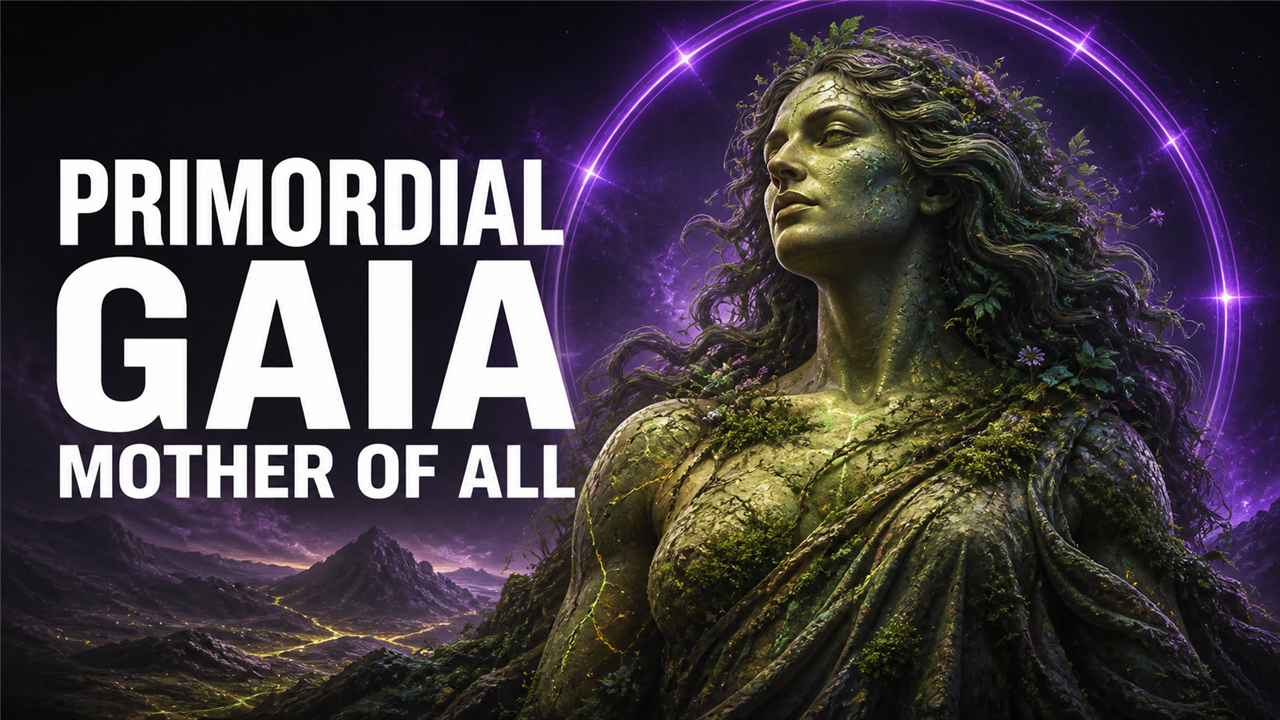
Table of Contents
Before the Greek cosmos had a king, before Zeus raised the thunderbolt, and before Olympus was assigned an order, there had to be somewhere for all of it to appear. In Hesiod's Theogony, that place is not merely scenery. It is a divine presence. It is Gaia—the broad-pathed Earth, the foundation upon which gods, mountains, seas, and future generations will contest their existence.
But Gaia is not simply the “Mother Nature” of modern imagination. Ancient sources show her as foundation, mother, strategist of revolt, and origin of a new threat. She helps bring down one order, contributes to the rise of another, and then produces forces that even the new order cannot ignore. To understand her, we must abandon the idea of one smooth story and follow carefully what each text actually says.
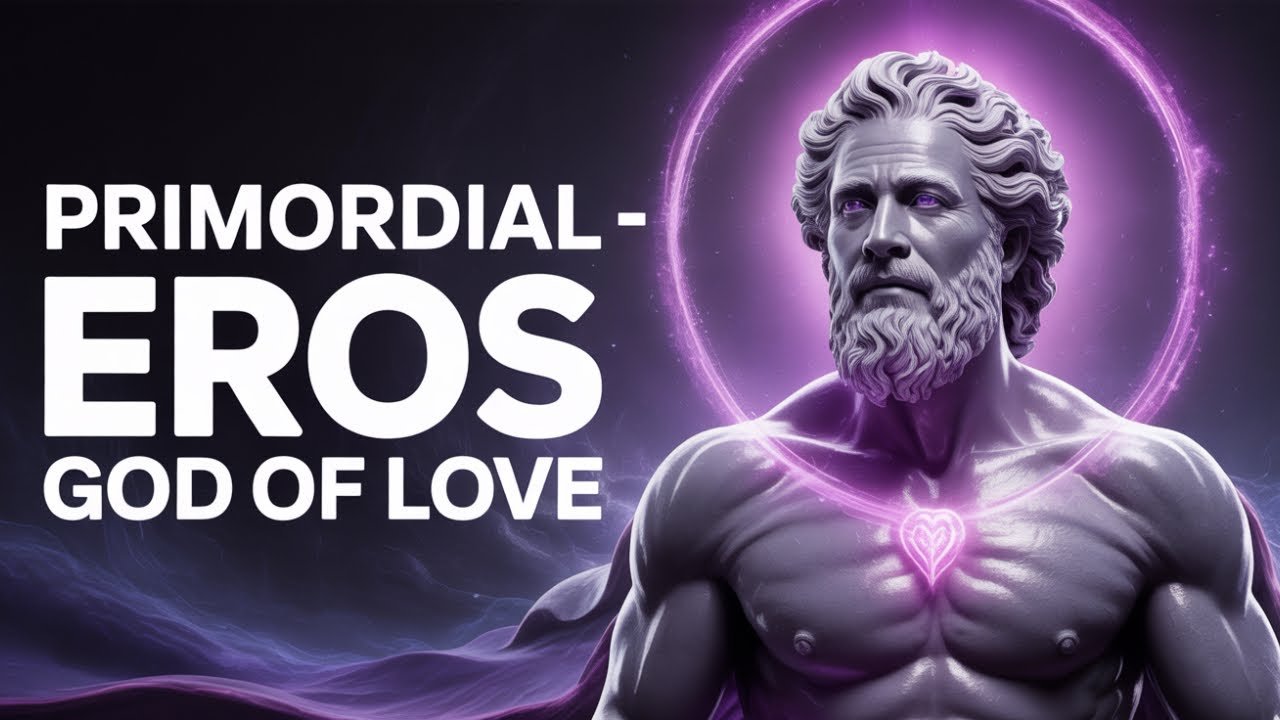
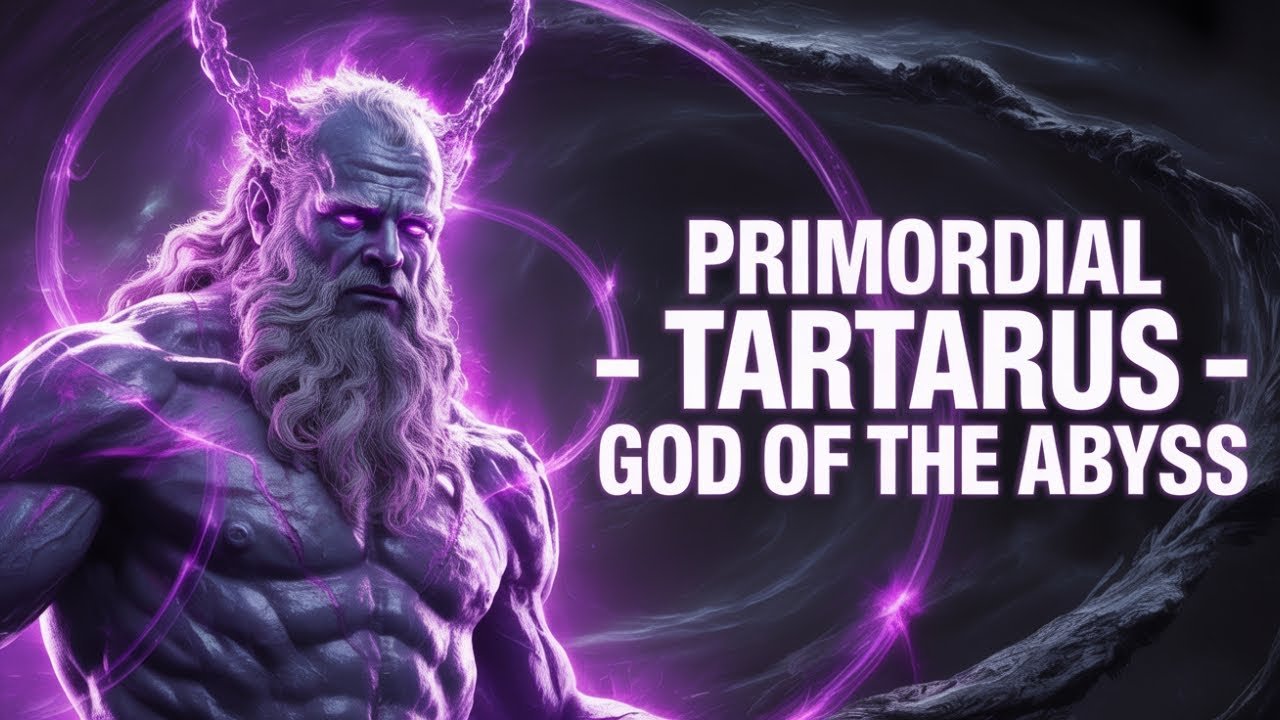
Hesiod begins his cosmogony with Chaos. Gaia then appears, described as broad and secure, an enduring seat for the immortals. Alongside her the poem names Tartarus in the depths of Earth and Eros, the force of desire that sets union and generation in motion. The poem gives us no scene in which Gaia is shaped by a divine craftsman. She emerges as one of the primary conditions of the cosmos.
That difference matters. Gaia does not simply live on Earth. In the language of the poem, she is Earth personified and, at the same time, the cosmic space on which the world of the gods will rest. A character, a place, and a principle can overlap in poetry without becoming perfectly identical. If we immediately turn Gaia into a giant woman with a modern biography, we lose the ambiguity that gives her power.
Her first generation appears without a partner: starry Ouranos, the Sky, equal to her and vast enough to cover her; the mountains, dwellings of the nymphs; and Pontos, the restless Sea. Only then does Gaia unite with Ouranos and bear a family that will fill the architecture of myth: the Titans, the Cyclopes, and the Hundred-Handers. The cosmos is not built from outside. It is born from its own foundation.
Birth, however, does not mean freedom. Ouranos hates some of his children and hides them in the depths of Gaia, refusing to let them emerge into the light. Hesiod describes Earth as compressed and in pain. The process of generation, which has only just begun, is blocked by a father who refuses to make room after himself.
Gaia answers not with direct force but with invention and a plan. She produces the material for a sickle and speaks to her children. Only Kronos agrees to act. When Ouranos descends upon Gaia, Kronos attacks and castrates him. It is one of the most violent scenes in Greek mythology, yet within the poem's structure that violence reopens a future Ouranos had tried to seal shut.
From the blood that falls upon Gaia arise the Erinyes, the Giants, and the ash-tree nymphs. From the foam forming in the sea around the severed organ, Aphrodite will emerge. A single rupture produces vengeance, war, vegetation, and desire. In Hesiod's world, creation is neither clean nor peaceful. Order is born together with the memory of the wound that made it possible.
This is Gaia's first great lesson: the foundation is not inert. When one generation imprisons its descendants and rejects transformation, the very ground beneath that power can become the author of change.
Kronos does not break the cycle of fear. Learning from Gaia and Ouranos that he will be defeated by his own son, he swallows his children as Rhea gives birth to them. Once again, a ruler tries to stop the future inside an older generation. Rhea asks her parents, Gaia and Ouranos, for help, and Zeus is hidden. In place of the child, Kronos swallows a wrapped stone.
Gaia is therefore not merely the enemy of the Sky or the permanent ally of the Titans. She participates in the transfer of power to Zeus. Later, during the war between the Titans and the Olympians, her advice leads the younger gods to free the Hundred-Handers. Their strength decides a conflict that had continued for years without a clear victor.
Yet here is a contradiction we should not hide. After Zeus defeats the Titans, Hesiod says that Gaia bears Typhoeus with Tartarus. The monster of innumerable voices and serpent heads nearly overturns the new rule. The same Earth that had offered the Olympians the advice of victory also produces Zeus's greatest test.
Some modern readings would prefer Gaia to be either the heroine of freedom or the enemy of order. The text is more difficult and more interesting. Gaia does not follow a modern ideology, nor is she a morally consistent character in our terms. In Hesiod's genealogy she is the source from which successive possibilities emerge—including possibilities the reigning order would rather keep beneath the ground.
Another text, the Homeric Hymn to Earth, changes the emphasis. Here Gaia is the “mother of all,” she who nourishes what walks on land, what moves through the sea, and what flies. Human prosperity, herds, harvests, and the continuity of the household are placed within her power. We are no longer looking primarily at the brutal drama of succession but at life's daily dependence upon Earth.
The two images should not be forced into one. The Theogony follows the birth and redistribution of divine power. The hymn is a religious address praising Earth's nourishing force. Together they show how broad Gaia's horizon could be: cosmic origin, inhabited matter, ancestor, and recipient of worship.
Pausanias, writing much later, also preserves memories of altars and oracular traditions associated with Earth, including at Olympia and in stories about Delphi. This evidence does not prove the existence of one uniform religion of Gaia throughout Greece. It shows instead that divine Earth could be encountered in different local settings: nourishment, prophecy, genealogy, and the memory of place.
We have no single canonical physical portrait of Gaia. Later art and literature could represent her as a woman rising from the soil, but Hesiod does not give us a visual specification from which an authentic face can be reconstructed.
Nor do the sources say that Gaia formulated modern ecology. The Gaia hypothesis, developed in the twentieth century to describe interactions between organisms and Earth's environment, carries an ancient name but is not a secret Greek doctrine. We may use the myth to reflect on our dependence upon Earth, but that reflection must be labelled as modern interpretation.
Just as importantly, Gaia is not simply good because she nourishes life, nor evil because she bears monsters. Those categories are too narrow for her cosmic role. Earth sustains every order, yet keeps within its depths what that order has excluded.
Gaia remains beneath every generation: beneath Ouranos when the Sky tries to imprison his children, beneath Kronos when he swallows his heirs, and beneath Zeus when the new order declares itself victorious. Kings change. The foundation remains and continues to produce the future.
This is the interpretation our episode proposes, not a statement made explicitly by one ancient line: Gaia is the power of a cosmos that cannot be permanently closed by the ruler of the moment. She makes stability possible, but also transformation. She nourishes the world without promising that the world will remain unchanged.
After Gaia, our gaze must rise toward her son and partner, Ouranos—the starry Sky who covered Earth and then tried to stop history from being born. In the next episode, we will see how the cosmos's first great sovereign became the first victim of the succession he wanted to prevent.
Sources & Further Reading
Published Aug 14, 2026
Smart Curiosity
We explore history, science, mythology and the stories that shaped the world — so you can stay curious every day.
Subscribe to our newsletter →